
Pigtail Catheter Placement
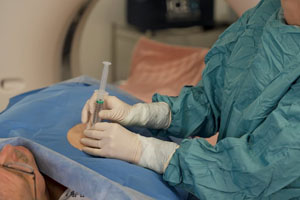
Pigtail Catheter Placement
Pigtail Catheter Placement is a minimally invasive image-guided procedure used to drain fluid collections from different parts of the body. A thin flexible catheter with a curled tip is carefully inserted into the targeted fluid collection under ultrasound or imaging guidance to provide effective drainage and relief while avoiding major surgical intervention.
At Dr. Dere Sonography & X-Ray Centre, Pigtail Catheter Placement procedures are performed by Dr. Sameer Dere, Consultant Radiologist, using advanced ultrasound-guided techniques to ensure accurate catheter placement, safe drainage, patient comfort, and effective clinical outcomes.
Pigtail catheter placement is commonly performed for draining collections such as abscesses, pleural fluid, abdominal collections, and other localized fluid accumulations. Real-time imaging guidance allows precise positioning of the catheter while reducing complications associated with blind procedures.
This procedure provides a safer alternative to open surgical drainage in many suitable cases and helps patients recover faster with minimal discomfort. The catheter allows continuous drainage of fluid until the collection resolves or further treatment is planned.
Conditions Treated During Pigtail Catheter Placement
Pigtail Catheter Placement is used for drainage of various fluid collections and helps manage multiple medical conditions requiring minimally invasive intervention.
- Pleural effusion (fluid around the lungs).
- Empyema and infected pleural collections.
- Abdominal fluid collections.
- Abscess drainage.
- Liver abscess drainage.
- Pancreatic fluid collections.
- Post-operative fluid collections.
- Pelvic fluid collections.
- Urinary tract-related fluid drainage when clinically indicated.
- Localized infected or non-infected fluid accumulation.
When is Pigtail Catheter Placement Recommended?
Your doctor may recommend Pigtail Catheter Placement when a fluid collection needs drainage and imaging-guided minimally invasive management is considered appropriate.
- Large fluid collections causing discomfort or pressure symptoms.
- Infected fluid collections requiring drainage.
- Pleural fluid accumulation affecting breathing.
- Abscesses requiring controlled drainage.
- Post-surgical or post-traumatic collections.
- When surgical drainage can be avoided or delayed.
- Whenever advised by a physician, surgeon, or specialist.
Why is Pigtail Catheter Placement Recommended?
Pigtail Catheter Placement is recommended when controlled drainage of fluid collections is required. It provides a minimally invasive approach that helps remove accumulated fluid, reduce symptoms, control infection, and support faster recovery without the need for major surgery in suitable cases.
- Provides effective drainage of fluid collections.
- Performed under real-time imaging guidance for accurate placement.
- Minimally invasive alternative to surgical drainage.
- Helps relieve pressure and discomfort caused by fluid accumulation.
- Supports management of infected fluid collections.
- Allows continuous drainage until recovery.
- Reduces hospital stay and improves patient comfort.
- Provides safer treatment for selected patients who are not suitable for surgery.
What Does Pigtail Catheter Placement Treat?
Pigtail Catheter Placement is used to drain abnormal fluid collections from different areas of the body. Imaging guidance helps identify the exact location of the collection and ensures accurate catheter positioning.
Pleural Fluid Drainage
Pigtail catheter placement helps drain fluid accumulated around the lungs, such as pleural effusion or infected pleural collections, improving breathing and patient comfort.
Abscess Drainage
The procedure allows controlled drainage of localized pus collections caused by infections, helping reduce infection and support healing.
Liver Abscess Drainage
Image-guided catheter placement helps drain liver abscesses safely while avoiding the need for extensive surgical procedures.
Abdominal Collection Drainage
Fluid collections within the abdomen, including post-operative or infected collections, can be effectively managed using pigtail catheter drainage.
Pancreatic Fluid Collection Drainage
Pigtail catheter placement may be used for selected pancreatic fluid collections to provide controlled drainage under imaging guidance.
Post-Surgical Collection Management
Fluid collections developing after surgery can be drained using a minimally invasive approach to support recovery and prevent complications.
Pelvic Collection Drainage
Pelvic fluid collections can be evaluated and drained using image-guided catheter placement when clinically indicated.
Other Localized Fluid Collections
Any suitable fluid collection identified through imaging may be considered for pigtail catheter drainage based on clinical requirements.
How is Pigtail Catheter Placement Performed?
Pigtail Catheter Placement is a minimally invasive image-guided procedure performed using ultrasound or other imaging techniques. The procedure usually takes around 30 to 60 minutes, depending on the location and complexity of the fluid collection.
- Your medical history and imaging reports are reviewed before the procedure.
- The fluid collection is identified using ultrasound or imaging guidance.
- The skin over the procedure area is cleaned using sterile precautions.
- Local anesthesia is administered to minimize discomfort.
- A thin needle and guidewire are used to safely access the fluid collection.
- The pigtail catheter is positioned accurately inside the collection.
- The catheter is connected to a drainage system to allow removal of fluid.
- The patient is monitored and further care instructions are provided.
Benefits of Pigtail Catheter Placement
Pigtail Catheter Placement offers an effective and patient-friendly method for draining fluid collections while minimizing surgical intervention.
- Minimally invasive drainage procedure.
- Accurate catheter placement using imaging guidance.
- Reduced discomfort compared to open surgical drainage.
- Effective management of infected and non-infected collections.
- Faster recovery with minimal tissue injury.
- Can be performed safely in many high-risk patients.
- Improves symptom relief by removing accumulated fluid.
- Supports better clinical outcomes and patient care.
Preparation Before Pigtail Catheter Placement
Pigtail Catheter Placement is a minimally invasive image-guided procedure that requires proper preparation to ensure safety, accuracy, and patient comfort. Following your doctor's instructions and providing complete medical information helps achieve better outcomes.
- Carry your doctor's prescription along with previous ultrasound, CT scan, MRI reports, and relevant medical records.
- Inform your doctor about blood-thinning medications, bleeding disorders, or any history of abnormal bleeding.
- Inform the radiologist about allergies, current medications, and existing medical conditions.
- Blood tests such as coagulation profile may be advised before the procedure when required.
- Fasting may be required in selected cases depending on the procedure and doctor's advice.
- Wear comfortable clothing and arrive at the diagnostic centre as per the scheduled appointment time.
Is Pigtail Catheter Placement Safe?
Yes. Pigtail Catheter Placement is a safe and effective minimally invasive procedure when performed under proper image guidance. Ultrasound or other imaging techniques help ensure accurate catheter placement while reducing the risk of complications. Mild discomfort at the insertion site may occur, but most patients recover well after the procedure.
At Dr. Dere Sonography & X-Ray Centre, Pigtail Catheter Placement is performed using advanced image-guided techniques with strict sterile precautions, patient safety measures, and expert radiological supervision to ensure accurate drainage and better clinical outcomes.
Frequently Asked Questions
What is a Pigtail Catheter?
A Pigtail Catheter is a thin flexible tube with a curled tip that is inserted into a fluid collection to allow controlled drainage of fluid from the body.
Why is a pigtail catheter inserted?
It is inserted to drain abnormal fluid collections such as pleural fluid, abscesses, abdominal collections, or other localized fluid accumulations that require drainage.
Is Pigtail Catheter Placement painful?
The procedure is performed under local anesthesia to minimize discomfort. Patients may feel mild pressure or temporary discomfort during catheter insertion.
How long does the procedure take?
The procedure generally takes around 30 to 60 minutes, depending on the location, size, and complexity of the fluid collection.
How long does the catheter remain in place?
The duration depends on the amount of fluid drainage, clinical condition, and doctor's assessment. The catheter is removed once adequate drainage is achieved and the collection resolves.
Why Choose Dr. Sameer Dere for Pigtail Catheter Placement?
- Consultant Radiologist with expertise in image-guided interventional procedures.
- Advanced ultrasound-guided techniques for accurate catheter placement.
- Expert management of pleural, abdominal, and other fluid collections.
- Real-time imaging guidance for safe and precise procedures.
- Strict sterile technique to minimize infection risks.
- Patient-focused approach ensuring comfort and safety.
- Detailed procedure documentation and follow-up guidance.
- Trusted minimally invasive interventional radiology services.
Advanced Image-Guided Drainage for Effective Recovery
Pigtail Catheter Placement provides a safe and minimally invasive solution for managing fluid collections that require drainage. With accurate image guidance and expert technique, the procedure helps relieve symptoms, control infection, and support faster recovery while avoiding major surgical intervention in suitable cases.
Schedule your Pigtail Catheter Placement with Dr. Sameer Dere at Dr. Dere Sonography & X-Ray Centre for expert image-guided procedures, accurate diagnosis, and compassionate patient care using advanced interventional radiology techniques.