
HSG (Hysterosalpingography)
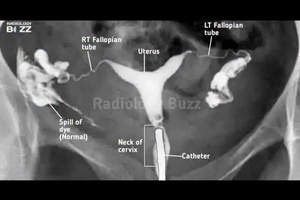
HSG (Hysterosalpingography)
HSG (Hysterosalpingography) is a specialized X-Ray based diagnostic procedure used to evaluate the uterus and fallopian tubes. It helps assess the shape of the uterine cavity, check whether the fallopian tubes are open or blocked, and identify abnormalities that may affect fertility and pregnancy planning.
At Dr. Dere Sonography & X-Ray Centre, HSG examinations are performed under expert radiological guidance by Dr. Sameer Dere, Consultant Radiologist. Using advanced imaging techniques, the procedure provides accurate evaluation of the uterus and fallopian tubes to support infertility assessment and treatment planning.
During HSG, a special contrast dye is gently introduced through the cervix into the uterus and fallopian tubes. X-Ray images are then taken to observe the flow of contrast material, helping identify blockages, structural abnormalities, and other conditions affecting reproductive health.
HSG is commonly recommended as part of infertility evaluation, especially for women who are having difficulty conceiving, have experienced recurrent pregnancy loss, or require assessment before fertility treatments such as IUI or IVF.
Conditions Evaluated During HSG
HSG provides detailed assessment of the uterine cavity and fallopian tubes, helping diagnose various reproductive and fertility-related conditions.
- Blocked fallopian tubes.
- Uterine cavity abnormalities.
- Uterine shape abnormalities.
- Scar tissue or adhesions inside the uterus.
- Congenital uterine abnormalities.
- Assessment after tubal surgery.
- Causes of infertility.
- Evaluation after recurrent pregnancy loss.
- Assessment before fertility treatment.
- Evaluation of fallopian tube patency.
- Post-operative reproductive tract assessment.
- Routine infertility investigation as advised by a gynecologist.
When is an HSG Recommended?
Your gynecologist may recommend HSG whenever detailed evaluation of the uterus and fallopian tubes is required to investigate fertility problems or assess reproductive anatomy.
- Difficulty conceiving despite regular attempts.
- Evaluation of unexplained infertility.
- Suspected blocked fallopian tubes.
- Before starting fertility treatments such as IUI or IVF.
- History of ectopic pregnancy.
- Recurrent miscarriages.
- Previous pelvic infection or tubal surgery.
- Assessment after surgical correction of tubal blockage.
- Whenever advised by your gynecologist or fertility specialist.
Why is HSG Recommended?
HSG (Hysterosalpingography) is an important diagnostic test in infertility evaluation because it provides detailed information about the uterus and fallopian tubes. It helps identify structural abnormalities and tubal blockages that may affect natural conception and guides doctors in planning appropriate fertility treatment.
- Evaluates whether fallopian tubes are open or blocked.
- Provides detailed assessment of the uterine cavity.
- Helps identify causes of female infertility.
- Assists in planning fertility treatments like IUI or IVF.
- Detects uterine shape abnormalities and adhesions.
- Helps evaluate reproductive tract after previous surgery.
- Supports investigation of recurrent pregnancy loss.
- Provides valuable information for gynecologists and fertility specialists.
What Does an HSG Assess?
HSG provides detailed visualization of the uterus and fallopian tubes by using contrast dye and X-Ray imaging. It helps evaluate reproductive anatomy and identify conditions that may affect fertility.
Fallopian Tube Evaluation
HSG assesses whether the fallopian tubes are open or blocked by observing the flow of contrast dye through the tubes. It helps identify blockages that may prevent fertilization.
Uterine Cavity Assessment
The procedure evaluates the internal structure of the uterus and helps detect abnormalities such as irregular uterine shape, filling defects, polyps, or adhesions.
Tubal Blockage Detection
HSG accurately identifies blockage or narrowing of the fallopian tubes, which is one of the important causes of female infertility.
Uterine Abnormality Evaluation
The examination helps detect congenital uterine abnormalities and structural changes that may affect implantation or pregnancy.
Post-Surgical Assessment
HSG may be performed after tubal surgery or corrective procedures to evaluate the success of treatment and confirm tubal patency.
Infertility Evaluation
HSG forms an important part of infertility investigations by providing essential information about the female reproductive tract.
Pre-Fertility Treatment Assessment
Before procedures like IUI or IVF, HSG helps doctors understand the condition of the uterus and fallopian tubes to plan appropriate treatment.
Overall Reproductive Health Assessment
The examination provides a comprehensive evaluation of the female reproductive system, helping specialists make informed fertility decisions.
How is an HSG Performed?
HSG is a minimally invasive diagnostic procedure performed using contrast dye and X-Ray imaging. The procedure usually takes around 15 to 30 minutes and is generally performed after menstruation and before ovulation, as advised by your gynecologist.
- Your medical history and previous fertility reports are reviewed before the procedure.
- The procedure is usually scheduled after your menstrual period and before ovulation.
- You will lie comfortably on the examination table similar to a gynecological examination.
- A small catheter is gently placed through the cervix into the uterus.
- A contrast dye is slowly introduced into the uterus and fallopian tubes.
- X-Ray images are captured to observe the shape of the uterus and flow of contrast through the tubes.
- A detailed report is prepared to assist your gynecologist or fertility specialist.
Benefits of HSG (Hysterosalpingography)
HSG provides valuable information about female reproductive anatomy and plays an important role in diagnosing causes of infertility and planning appropriate treatment.
- Accurate assessment of fallopian tube openness.
- Detection of uterine cavity abnormalities.
- Helps identify causes of infertility.
- Supports fertility treatment planning.
- Quick and minimally invasive procedure.
- Provides important information before IUI or IVF.
- Helps evaluate post-surgical tubal status.
- Improves understanding of reproductive health conditions.
Preparation Before an HSG
HSG (Hysterosalpingography) requires some simple preparation to ensure a safe and comfortable examination. Following your gynecologist's instructions helps achieve accurate evaluation of the uterus and fallopian tubes.
- Carry your doctor's prescription along with previous ultrasound reports, fertility records, and relevant medical documents.
- The procedure is usually scheduled after menstruation and before ovulation, as advised by your gynecologist.
- Inform your doctor if you have any history of pelvic infection, allergies, or previous reactions to contrast dye.
- Wear comfortable clothing on the day of the procedure.
- You may be advised to take prescribed medication before the procedure to reduce discomfort.
- Arrive at the diagnostic centre 10 to 15 minutes before your scheduled appointment.
Is an HSG Safe?
Yes. HSG is a commonly performed and generally safe diagnostic procedure used for evaluating the uterus and fallopian tubes. It uses a small amount of contrast dye and X-Ray imaging to provide important information about reproductive anatomy. Mild cramping or temporary discomfort may occur during or shortly after the procedure.
At Dr. Dere Sonography & X-Ray Centre, HSG examinations are performed with advanced imaging technology while maintaining strict safety protocols, patient comfort, hygiene, and accurate diagnostic evaluation.
Frequently Asked Questions
What is the purpose of an HSG test?
HSG is performed to evaluate the shape of the uterus and check whether the fallopian tubes are open or blocked. It is commonly used during infertility evaluation and fertility treatment planning.
Is HSG painful?
Some women may experience mild cramping or discomfort during the procedure when the contrast dye is introduced. The discomfort is usually temporary and varies from person to person.
When is the best time to perform HSG?
HSG is generally performed after the menstrual period ends and before ovulation, usually during the early part of the menstrual cycle, as advised by your gynecologist.
How long does an HSG procedure take?
The procedure usually takes around 15 to 30 minutes, including preparation and image acquisition.
Can HSG help in treating infertility?
HSG is primarily a diagnostic procedure. In some cases, the flushing effect of the contrast dye may help clear minor tubal blockages, but it is mainly performed to evaluate reproductive anatomy.
Why Choose Dr. Sameer Dere for HSG?
- Consultant Radiologist with expertise in Women’s Imaging and Diagnostic Radiology.
- Advanced X-Ray imaging technology for accurate evaluation of uterus and fallopian tubes.
- Expert assessment of tubal patency and uterine cavity abnormalities.
- Detailed reporting to support infertility diagnosis and treatment planning.
- Patient-friendly approach with emphasis on comfort and safety.
- Strict hygiene and safety standards during the procedure.
- Prompt reporting for timely consultation with gynecologists and fertility specialists.
- Trusted diagnostic services focused on accurate reproductive health assessment.
Accurate Fertility Imaging for Better Treatment Planning
Understanding the condition of the uterus and fallopian tubes is an important step in fertility evaluation. HSG provides valuable diagnostic information that helps identify possible causes of infertility and allows gynecologists to plan suitable treatment options for achieving a healthy pregnancy.
Schedule your HSG (Hysterosalpingography) with Dr. Sameer Dere at Dr. Dere Sonography & X-Ray Centre for accurate fertility imaging, expert diagnosis, and compassionate patient care using advanced imaging technology.