
Peripheral Vascular Doppler
Peripheral Vascular Doppler
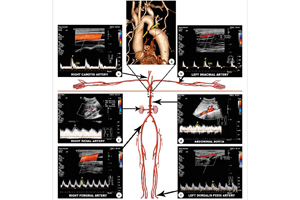
Peripheral Vascular Doppler is a safe, painless, and advanced ultrasound examination that evaluates blood circulation in the arteries and veins of the arms and legs. It helps diagnose vascular diseases, detect blockages, assess blood flow, identify blood clots, evaluate varicose veins, and monitor peripheral circulation without exposing patients to radiation.
At Dr. Dere Sonography & X-Ray Centre, Peripheral Vascular Doppler examinations are performed by Dr. Sameer Dere, Consultant Radiologist with extensive expertise in Vascular Ultrasound Imaging. Using advanced Color Doppler technology, every examination provides detailed evaluation of arterial and venous circulation, enabling early diagnosis of vascular disorders and accurate treatment planning.
Peripheral Vascular Doppler combines conventional ultrasound with Color Doppler imaging to assess both the structure of blood vessels and the movement of blood within them. It is widely recommended for evaluating poor circulation, Peripheral Arterial Disease (PAD), Deep Vein Thrombosis (DVT), venous insufficiency, varicose veins, diabetic vascular complications, and post-operative vascular follow-up.
Whether you are experiencing leg pain while walking, swelling, cold feet, visible varicose veins, numbness, non-healing ulcers, or require vascular assessment after surgery, Peripheral Vascular Doppler provides valuable diagnostic information that helps your doctor identify the underlying cause and recommend the most appropriate treatment.
Conditions Evaluated During Peripheral Vascular Doppler
Peripheral Vascular Doppler provides comprehensive assessment of blood vessels in the limbs and helps diagnose a wide range of arterial and venous disorders affecting peripheral circulation.
- Peripheral Arterial Disease (PAD).
- Deep Vein Thrombosis (DVT).
- Varicose veins.
- Chronic venous insufficiency.
- Arterial stenosis and blockages.
- Venous reflux and valve incompetence.
- Peripheral aneurysms.
- Diabetic vascular complications.
- Post-traumatic vascular injury.
- Assessment after vascular surgery or angioplasty.
- Evaluation of vascular grafts and bypass surgery.
- Routine peripheral vascular health assessment.
When is a Peripheral Vascular Doppler Recommended?
Your doctor may recommend a Peripheral Vascular Doppler whenever detailed evaluation of blood circulation in the arms or legs is required to diagnose vascular disease, investigate symptoms, or monitor treatment outcomes.
- Leg pain while walking or exercising.
- Persistent swelling of the legs or arms.
- Cold feet or reduced circulation.
- Visible varicose veins.
- Suspected Deep Vein Thrombosis (DVT).
- Non-healing wounds or diabetic foot ulcers.
- Follow-up after vascular surgery or angioplasty.
- Assessment of vascular grafts and bypass procedures.
- Routine vascular evaluation whenever advised by your physician or vascular specialist.
Signs & Symptoms That May Require a Peripheral Vascular Doppler
A Peripheral Vascular Doppler examination is recommended whenever symptoms suggest reduced blood circulation or a vascular disorder affecting the arteries or veins of the arms and legs. It provides detailed evaluation of blood flow, helping diagnose circulatory problems at an early stage and supporting timely treatment.
- Leg pain while walking or exercising (Claudication).
- Persistent swelling of the legs or arms.
- Cold hands or feet with reduced circulation.
- Visible varicose veins.
- Non-healing wounds or diabetic foot ulcers.
- Numbness, tingling, or weakness in the limbs.
- Suspected Deep Vein Thrombosis (DVT).
- Follow-up after vascular surgery or angioplasty.
- Routine vascular evaluation whenever advised by your physician.
What Does a Peripheral Vascular Doppler Assess?
Peripheral Vascular Doppler provides a comprehensive evaluation of both arterial and venous circulation in the limbs. It assesses blood flow, detects narrowing or blockage of blood vessels, identifies blood clots, and evaluates venous valve function to provide a complete picture of peripheral vascular health.
Peripheral Artery Assessment
The arteries of the arms and legs are examined for narrowing, complete blockage, plaque formation, aneurysms, and reduced blood flow associated with Peripheral Arterial Disease (PAD).
Peripheral Vein Assessment
The veins are carefully evaluated for Deep Vein Thrombosis (DVT), venous obstruction, chronic venous insufficiency, varicose veins, and impaired venous circulation.
Blood Flow Evaluation
Advanced Color Doppler technology measures the direction, velocity, and pattern of blood flow, allowing accurate assessment of both arterial and venous circulation.
Venous Valve Function
The examination evaluates venous valve competence and detects venous reflux, a common cause of chronic venous insufficiency and varicose veins.
Diabetic Vascular Assessment
Patients with diabetes benefit from Peripheral Vascular Doppler as it helps detect early vascular changes, poor circulation, and complications that may increase the risk of diabetic foot ulcers.
Post-Surgical Vascular Evaluation
Peripheral Vascular Doppler is commonly performed after angioplasty, bypass surgery, vascular graft placement, or varicose vein treatment to assess treatment success and monitor blood flow.
Peripheral Circulation Assessment
The examination helps determine the overall health of blood vessels supplying the limbs, allowing early detection of circulatory disorders before complications occur.
Overall Vascular Health
A comprehensive assessment of arterial and venous circulation helps your doctor accurately diagnose vascular diseases and plan the most appropriate treatment strategy.
How is a Peripheral Vascular Doppler Performed?
Peripheral Vascular Doppler is a safe, painless, and non-invasive imaging examination performed using advanced Color Doppler Ultrasound technology. The procedure generally takes between 30 and 45 minutes, depending on the blood vessels being evaluated, and provides real-time assessment of blood circulation without radiation.
- Your symptoms, medical history, and previous vascular investigations are reviewed before the examination.
- A water-based ultrasound gel is applied over the examination area.
- The ultrasound probe is gently moved over the arteries and veins of the affected limb.
- Real-time Color Doppler imaging evaluates blood flow velocity, direction, and vessel patency.
- Detailed vascular waveforms, measurements, and diagnostic images are recorded.
- A comprehensive Doppler report is prepared to assist your physician or vascular surgeon in treatment planning.
Benefits of a Peripheral Vascular Doppler
Peripheral Vascular Doppler is one of the most comprehensive vascular investigations because it evaluates both arterial and venous circulation, providing accurate diagnosis while remaining completely safe and radiation-free.
- Comprehensive evaluation of arteries and veins in the limbs.
- Early diagnosis of Peripheral Arterial Disease (PAD) and Deep Vein Thrombosis (DVT).
- Accurate assessment of varicose veins and venous insufficiency.
- Detection of arterial narrowing, blockages, and poor circulation.
- Supports planning and follow-up of vascular surgery and interventions.
- Safe, painless, and completely radiation-free examination.
- Provides real-time assessment of peripheral blood circulation.
- Supports early diagnosis and personalized vascular treatment planning.
Preparation Before a Peripheral Vascular Doppler
Peripheral Vascular Doppler is a simple, safe, and non-invasive imaging examination that usually requires little or no special preparation. The preparation may vary depending on the blood vessels being evaluated. Bringing your previous vascular investigations and following your doctor's instructions helps ensure an accurate and comprehensive assessment.
- Carry your doctor's prescription along with previous Doppler studies, CT/MR angiography reports, and other relevant medical records.
- No fasting is usually required unless specifically advised for certain vascular studies.
- Wear loose and comfortable clothing that allows easy access to the arms or legs.
- Continue your regular medications unless instructed otherwise by your treating doctor.
- Arrive at the diagnostic centre 10 to 15 minutes before your scheduled appointment.
- Inform your radiologist about any previous angioplasty, bypass surgery, vascular graft, varicose vein treatment, or ongoing vascular medication.
Is a Peripheral Vascular Doppler Safe?
Yes. Peripheral Vascular Doppler is a completely safe, painless, and radiation-free imaging examination that uses high-frequency sound waves to evaluate blood flow in the arteries and veins of the limbs. It is suitable for patients of all age groups and can be safely repeated whenever follow-up evaluation is required.
At Dr. Dere Sonography & X-Ray Centre, every Peripheral Vascular Doppler examination is performed using advanced Color Doppler technology while maintaining the highest standards of patient comfort, diagnostic accuracy, hygiene, and evidence-based reporting.
Frequently Asked Questions
What is a Peripheral Vascular Doppler used for?
Peripheral Vascular Doppler is used to evaluate blood circulation in the arteries and veins of the arms and legs. It helps diagnose conditions such as Peripheral Arterial Disease (PAD), Deep Vein Thrombosis (DVT), varicose veins, venous insufficiency, and other vascular disorders.
Can Peripheral Vascular Doppler detect blood clots?
Yes. It is one of the most reliable investigations for detecting Deep Vein Thrombosis (DVT) and other venous blood clots while accurately assessing their location and severity.
Is the examination painful?
No. The examination is completely painless. A water-based gel is applied to the skin, and the ultrasound probe is gently moved over the affected limb to obtain detailed blood flow images.
How long does a Peripheral Vascular Doppler take?
Most Peripheral Vascular Doppler examinations are completed within 30 to 45 minutes, depending on the number of blood vessels being evaluated and the complexity of the vascular assessment.
Can Peripheral Vascular Doppler be repeated for follow-up?
Yes. Since it does not use radiation, Peripheral Vascular Doppler can be safely repeated to monitor vascular disease, assess treatment response, or evaluate blood circulation after surgery or other vascular procedures.
Why Choose Dr. Sameer Dere for Peripheral Vascular Doppler?
- Consultant Radiologist with extensive expertise in Vascular and Diagnostic Ultrasound Imaging.
- Advanced Color Doppler technology for comprehensive evaluation of arterial and venous circulation.
- Expert diagnosis of Peripheral Arterial Disease (PAD), Deep Vein Thrombosis (DVT), varicose veins, and vascular disorders.
- Detailed assessment of blood flow, vessel patency, and venous valve function.
- Evidence-based reporting with accurate findings for effective medical and surgical treatment planning.
- Comfortable, patient-friendly, and hygienic diagnostic environment.
- Prompt reporting for faster consultation with physicians and vascular specialists.
- Trusted vascular imaging services focused on early diagnosis, patient safety, and long-term circulatory health.
Comprehensive Vascular Imaging for Healthy Blood Circulation
Healthy blood circulation is essential for maintaining the function of every organ, muscle, and tissue in the body. Early diagnosis of peripheral vascular disorders helps prevent complications such as blood clots, chronic leg swelling, poor wound healing, limb ischemia, and long-term vascular damage. Peripheral Vascular Doppler provides detailed real-time evaluation of arterial and venous blood flow, supporting accurate diagnosis and timely treatment.
Schedule your Peripheral Vascular Doppler with Dr. Sameer Dere at Dr. Dere Sonography & X-Ray Centre for advanced vascular imaging, expert diagnosis, and compassionate patient care using state-of-the-art Color Doppler technology.