
CT Reporting
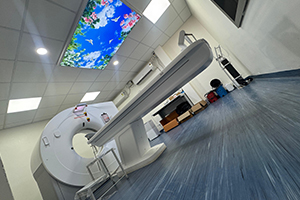
CT Reporting
CT Reporting is a specialized radiology service that involves the expert interpretation and analysis of Computed Tomography (CT) scans. Accurate CT reporting plays a crucial role in diagnosing diseases, evaluating injuries, monitoring treatment response, and assisting physicians in making informed clinical decisions with confidence.
At Dr. Dere Sonography & X-Ray Centre, CT scans are interpreted by Dr. Sameer Dere, Consultant Radiologist with extensive expertise in Diagnostic Imaging. Every CT examination is carefully reviewed using a systematic approach to provide comprehensive, accurate, and clinically relevant reports that support effective patient management.
CT Reporting involves detailed evaluation of cross-sectional images of the brain, chest, abdomen, pelvis, spine, bones, blood vessels, and other body regions. Advanced imaging interpretation allows early detection of infections, tumors, fractures, vascular diseases, internal injuries, and numerous other medical conditions.
Whether your CT scan has been performed for emergency evaluation, routine diagnosis, cancer assessment, trauma, or follow-up after treatment, expert CT reporting ensures that important findings are accurately identified and clearly communicated to your treating doctor.
Conditions Evaluated Through CT Reporting
Comprehensive CT reporting assists in diagnosing and monitoring a wide variety of medical, surgical, orthopedic, neurological, chest, and abdominal conditions.
- Brain stroke and intracranial hemorrhage.
- Head injury and traumatic brain injury.
- Chest infections and lung diseases.
- Liver, pancreas, kidney, and abdominal disorders.
- Kidney stones and urinary tract abnormalities.
- Bone fractures and orthopedic injuries.
- Spinal disorders.
- Tumors and cancer evaluation.
- CT Angiography and vascular diseases.
- Post-operative evaluation.
- Follow-up imaging after treatment.
- Routine CT scan interpretation.
When is CT Reporting Required?
CT Reporting is required whenever a CT scan has been performed and a detailed radiological interpretation is needed to assist in diagnosis, treatment planning, surgical decision-making, or follow-up evaluation.
- Emergency CT examinations.
- Evaluation after trauma or accidents.
- Persistent neurological symptoms.
- Assessment of chest or abdominal diseases.
- Cancer diagnosis and staging.
- Pre-operative and post-operative evaluation.
- Monitoring response to treatment.
- Second opinion for CT scan interpretation.
- Whenever advised by your physician or specialist.
Why is CT Reporting Important?
CT Reporting is an essential part of every CT scan examination. A detailed radiology report accurately interprets the imaging findings, identifies abnormalities, and provides clinically relevant information that helps your treating doctor diagnose diseases, plan treatment, monitor progress, and make timely medical decisions.
- Provides accurate interpretation of CT scan findings.
- Helps detect diseases at an early stage.
- Supports medical and surgical treatment planning.
- Assists in emergency diagnosis and trauma management.
- Monitors disease progression and treatment response.
- Provides valuable information for multidisciplinary patient care.
- Supports second-opinion consultations whenever required.
- Ensures accurate communication between radiologists and treating doctors.
What Does CT Reporting Include?
A comprehensive CT report includes a systematic evaluation of the scanned body region, detailed description of imaging findings, identification of abnormalities, comparison with previous studies when available, and an expert radiological impression to guide further clinical management.
Image Review
Every CT image is carefully reviewed in multiple planes to evaluate organs, bones, blood vessels, soft tissues, and surrounding structures with maximum diagnostic accuracy.
Identification of Abnormalities
The radiologist identifies fractures, tumors, infections, bleeding, inflammation, vascular abnormalities, organ injuries, stones, and other clinically significant findings.
Detailed Anatomical Assessment
Each organ and anatomical structure within the scanned region is systematically evaluated to identify both major and subtle abnormalities.
Measurement of Lesions
Any detected lesion, mass, cyst, lymph node, aneurysm, or abnormality is accurately measured and described to assist diagnosis and follow-up.
Comparison with Previous CT Scans
Whenever prior imaging is available, the current CT scan is compared with earlier studies to assess disease progression, stability, or treatment response.
Clinical Correlation
The imaging findings are interpreted in correlation with the patient's clinical history and symptoms to provide meaningful diagnostic information.
Radiological Impression
A concise diagnostic impression summarizes the important findings and highlights the most likely diagnosis along with relevant recommendations when appropriate.
Comprehensive Diagnostic Report
The final CT report provides clear, structured, and clinically relevant information that helps physicians make confident treatment decisions.
How is CT Reporting Performed?
CT Reporting is performed after the CT scan has been completed. The radiologist carefully reviews all digital images using advanced diagnostic workstations before preparing a detailed and evidence-based report.
- The CT scan images are transferred to a dedicated reporting workstation.
- The radiologist systematically evaluates all images in multiple planes.
- Any abnormalities are identified, measured, and documented.
- Previous imaging studies are reviewed whenever available for comparison.
- A structured radiology report with diagnostic impression is prepared.
- The finalized report is shared with the referring physician for further management.
Benefits of Expert CT Reporting
Expert CT Reporting ensures accurate diagnosis and provides clinicians with reliable information for planning appropriate treatment while reducing the chances of missed or delayed diagnoses.
- Accurate interpretation by an experienced radiologist.
- Early detection of serious medical conditions.
- Comprehensive evaluation of complex CT examinations.
- Supports medical, surgical, and oncology treatment planning.
- Improves patient safety through timely diagnosis.
- Clear, structured, and clinically relevant reporting.
- Reliable follow-up assessment for disease monitoring.
- Facilitates better communication between radiologists and treating specialists.
Preparation Before CT Reporting
CT Reporting itself does not require any special preparation, as it involves expert interpretation of your completed CT scan. However, carrying all relevant medical records and previous imaging studies helps the radiologist compare findings accurately and provide a comprehensive diagnostic report.
- Carry your CT scan images, films, or digital CD/DVD along with the referral form.
- Bring previous CT scans, MRI, Ultrasound, X-Ray, or PET-CT reports for comparison whenever available.
- Provide relevant clinical history, laboratory reports, biopsy reports, or discharge summaries if applicable.
- Inform the radiologist about any previous surgeries, ongoing treatment, or known medical conditions.
- Ensure that all CT scan images are complete and of adequate quality for accurate interpretation.
- Follow any additional instructions provided by your referring doctor regarding report review or follow-up.
Why is Expert CT Reporting Important?
Accurate CT Reporting is essential because even subtle imaging findings can significantly influence diagnosis and treatment decisions. A detailed report prepared by an experienced radiologist helps your treating doctor understand the exact nature of the disease and plan the most appropriate management.
At Dr. Dere Sonography & X-Ray Centre, every CT scan is interpreted with meticulous attention to detail, ensuring structured reporting, clinical relevance, and high diagnostic accuracy for optimal patient care.
Frequently Asked Questions
What is CT Reporting?
CT Reporting is the process in which a radiologist carefully reviews and interprets CT scan images, identifies abnormalities, and prepares a detailed diagnostic report for your treating doctor.
Who prepares the CT report?
CT reports are prepared by qualified radiologists who are specially trained in interpreting advanced diagnostic imaging and correlating the findings with the patient's clinical condition.
How long does CT Reporting take?
Reporting time depends on the complexity of the examination. Routine CT reports are generally completed promptly, while emergency examinations are prioritized for faster reporting.
Why should I bring previous CT scans?
Previous imaging studies allow the radiologist to compare findings, assess disease progression or improvement, and provide a more accurate interpretation.
Can I request a second opinion for my CT scan?
Yes. Expert CT Reporting can provide a valuable second opinion, especially in complex cases, helping confirm the diagnosis and guide appropriate treatment.
Why Choose Dr. Sameer Dere for CT Reporting?
- Consultant Radiologist with extensive expertise in advanced CT image interpretation.
- Comprehensive evaluation of neurological, chest, abdominal, musculoskeletal, vascular, and oncological CT examinations.
- Systematic, evidence-based reporting with clinically relevant diagnostic impressions.
- Accurate interpretation supporting timely medical and surgical decision-making.
- Comparison with previous imaging for reliable follow-up assessment whenever available.
- Prompt reporting to facilitate faster patient management.
- Clear, structured, and easy-to-understand radiology reports for referring clinicians.
- Trusted diagnostic reporting focused on accuracy, patient safety, and quality healthcare.
Accurate CT Interpretation for Better Clinical Decisions
A CT scan is only as valuable as its interpretation. Expert CT Reporting transforms imaging findings into meaningful clinical information, helping doctors diagnose diseases accurately, monitor treatment response, and make confident therapeutic decisions. High-quality radiology reporting plays a vital role in improving patient outcomes across multiple medical specialties.
Get your CT Scan Reporting interpreted by Dr. Sameer Dere at Dr. Dere Sonography & X-Ray Centre for accurate, comprehensive, and clinically relevant radiology reports that support better diagnosis and patient care.