
PCN (Percutaneous Nephrostomy)
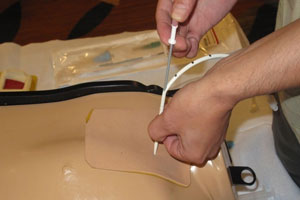
PCN (Percutaneous Nephrostomy)
PCN (Percutaneous Nephrostomy) is a minimally invasive image-guided procedure used to drain urine directly from the kidney when normal urine flow through the urinary tract is blocked. A thin catheter is inserted through the skin into the kidney collecting system under ultrasound or imaging guidance to relieve obstruction and protect kidney function.
At Dr. Dere Sonography & X-Ray Centre, PCN procedures are performed by Dr. Sameer Dere, Consultant Radiologist, using advanced image-guided techniques to ensure accurate catheter placement, safe urinary drainage, patient comfort, and effective management of urinary obstruction.
PCN provides an alternative method of urinary drainage when the ureter is blocked due to stones, tumors, strictures, infections, or other conditions. Real-time imaging guidance helps position the catheter precisely inside the kidney, allowing urine to drain externally into a collection bag.
The procedure plays an important role in emergency and planned urological care by relieving pressure on the kidneys, preventing complications, and helping doctors plan further treatment for the underlying cause of obstruction.
Conditions Managed During PCN
PCN is performed to relieve urinary obstruction and provide drainage in various kidney and urinary tract conditions.
- Blocked urinary tract due to kidney stones.
- Ureteric obstruction.
- Hydronephrosis (swelling of the kidney due to urine blockage).
- Urinary obstruction caused by tumors.
- Ureteric strictures or narrowing.
- Infected obstructed kidney requiring drainage.
- Post-surgical urinary drainage problems.
- Urinary diversion before further treatment.
- Temporary kidney drainage support.
- Other urinary tract obstruction conditions requiring decompression.
When is PCN Recommended?
Your doctor may recommend Percutaneous Nephrostomy when urine flow from the kidney is blocked and immediate or planned drainage is required to preserve kidney function and reduce complications.
- Severe blockage of urine flow from the kidney.
- Kidney swelling due to urinary obstruction.
- Obstructing kidney or ureter stones.
- Infected blocked kidney requiring urgent drainage.
- Urinary obstruction due to cancer or mass effect.
- Need for urinary diversion before surgery or other treatment.
- When ureteric stenting is not possible or not suitable.
- Whenever advised by a urologist or treating specialist.
Why is PCN (Percutaneous Nephrostomy) Recommended?
PCN is recommended when urine drainage from the kidney is blocked and immediate decompression is required. By creating an alternate drainage pathway, PCN helps relieve pressure within the kidney, prevents further damage, and supports recovery while the underlying cause of obstruction is treated.
- Relieves blockage in the urinary drainage system.
- Helps protect kidney function during obstruction.
- Provides immediate urinary drainage in emergency situations.
- Reduces pressure caused by urine accumulation in the kidney.
- Helps manage infected obstructed kidneys.
- Provides temporary or long-term urinary diversion when required.
- Allows further urological treatment planning.
- Minimally invasive alternative for urinary drainage.
What Does PCN Treat?
PCN helps manage conditions where urine cannot flow normally from the kidney to the bladder. The procedure provides effective drainage and helps prevent complications related to prolonged urinary obstruction.
Kidney Stone-Related Obstruction
PCN can relieve urinary blockage caused by kidney or ureteric stones by providing an alternate pathway for urine drainage.
Hydronephrosis Management
The procedure helps drain an enlarged kidney caused by urine accumulation due to obstruction, reducing pressure and protecting kidney tissue.
Infected Obstructed Kidney
In cases where infection occurs along with urinary blockage, PCN helps drain infected urine and supports effective medical treatment.
Ureteric Obstruction
PCN provides urinary diversion when the ureter is narrowed, blocked, or unable to transport urine normally from the kidney to the bladder.
Cancer-Related Urinary Blockage
Tumors or masses affecting the urinary tract may cause obstruction. PCN helps restore urine drainage and supports further oncological or surgical treatment.
Post-Surgical Urinary Drainage
PCN may be used after certain urological procedures when temporary kidney drainage is required during recovery.
Urinary Diversion Before Treatment
The procedure may provide temporary drainage before planned surgery, chemotherapy, or other treatments affecting the urinary system.
Other Urinary Obstruction Conditions
Any suitable condition causing blockage of urine flow from the kidney may be evaluated for PCN based on clinical requirements.
How is PCN (Percutaneous Nephrostomy) Performed?
PCN is a minimally invasive image-guided procedure performed using ultrasound and fluoroscopic guidance. The procedure usually takes around 30 to 60 minutes, depending on the complexity of the obstruction and patient's condition.
- Your medical history, imaging reports, and blood investigations are reviewed before the procedure.
- The kidney and targeted drainage area are identified using imaging guidance.
- The skin over the procedure site is cleaned using sterile precautions.
- Local anesthesia is administered to minimize discomfort.
- A fine needle is guided into the kidney collecting system under imaging guidance.
- A guidewire is placed and the nephrostomy catheter is positioned correctly.
- The catheter is connected to a drainage bag for urine collection.
- The patient is monitored and further care instructions are provided.
Benefits of PCN (Percutaneous Nephrostomy)
PCN provides an effective and safe method for relieving urinary obstruction while avoiding major surgical intervention in suitable cases.
- Rapid relief of kidney obstruction.
- Helps preserve kidney function.
- Minimally invasive image-guided procedure.
- Accurate catheter placement under imaging guidance.
- Reduces complications caused by urine buildup.
- Useful in emergency urinary drainage situations.
- Provides temporary or long-term urinary diversion when required.
- Supports further urological treatment planning.
Preparation Before PCN (Percutaneous Nephrostomy)
PCN is a minimally invasive image-guided procedure that requires proper preparation to ensure safety and accurate catheter placement. Following your doctor's instructions and sharing complete medical information helps reduce risks and improves procedure outcomes.
- Carry your doctor's prescription along with previous ultrasound, CT scan, MRI reports, and relevant medical documents.
- Inform your doctor about blood-thinning medicines, bleeding disorders, or any history of abnormal bleeding.
- Blood tests such as kidney function tests and coagulation profile may be advised before the procedure.
- Inform the radiologist about any allergies, current medications, or existing medical conditions.
- Fasting may be required before the procedure depending on your clinical condition and doctor's advice.
- Arrive at the diagnostic centre at the scheduled time with all required reports.
Is PCN (Percutaneous Nephrostomy) Safe?
Yes. PCN is a safe and effective minimally invasive procedure when performed under proper image guidance by experienced specialists. Ultrasound and fluoroscopic guidance help ensure accurate catheter placement while reducing the risk of complications. Temporary discomfort at the insertion site may occur, but most patients tolerate the procedure well.
At Dr. Dere Sonography & X-Ray Centre, PCN procedures are performed using advanced image-guided techniques with strict sterile precautions, patient safety protocols, and expert radiological supervision to provide accurate urinary drainage and better patient outcomes.
Frequently Asked Questions
What is PCN (Percutaneous Nephrostomy)?
PCN is a procedure in which a thin catheter is inserted directly into the kidney through the skin to drain urine when normal urine flow through the urinary tract is blocked.
Why is a PCN catheter required?
A PCN catheter is required to relieve urinary obstruction, reduce pressure on the kidney, prevent kidney damage, and manage conditions where urine cannot drain normally.
Is PCN placement painful?
The procedure is performed under local anesthesia to minimize discomfort. Patients may feel mild pressure or temporary discomfort during catheter placement.
How long does PCN placement take?
The procedure generally takes around 30 to 60 minutes, depending on the complexity of the obstruction and patient's condition.
How long does the PCN catheter remain in place?
The duration depends on the underlying cause of obstruction, urine drainage, treatment plan, and advice of the treating urologist.
Why Choose Dr. Sameer Dere for PCN?
- Consultant Radiologist with expertise in image-guided interventional procedures.
- Advanced ultrasound and imaging guidance for accurate nephrostomy catheter placement.
- Expert management of urinary obstruction and kidney drainage procedures.
- Real-time imaging guidance for safe and precise catheter positioning.
- Strict sterile technique to minimize procedure-related risks.
- Patient-focused approach ensuring comfort, safety, and care.
- Detailed procedure documentation and follow-up guidance.
- Trusted minimally invasive interventional radiology services.
Advanced Image-Guided Kidney Drainage for Better Care
PCN provides an effective minimally invasive solution for patients experiencing urinary obstruction. By restoring urine drainage from the kidney, the procedure helps protect kidney function, relieve symptoms, and support further medical or surgical treatment when required.
Schedule your PCN (Percutaneous Nephrostomy) with Dr. Sameer Dere at Dr. Dere Sonography & X-Ray Centre for expert image-guided procedures, accurate diagnosis, and compassionate patient care using advanced interventional radiology techniques.