
Abdominal Ultrasound
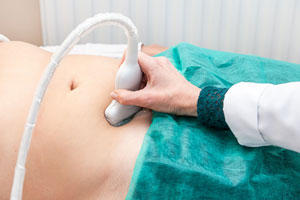
Abdominal Ultrasound
Abdominal Ultrasound is a safe, painless, and non-invasive imaging examination that uses high-frequency sound waves to evaluate the abdominal organs, including the liver, gallbladder, pancreas, spleen, kidneys, urinary bladder, abdominal blood vessels, and surrounding structures. It is widely used to diagnose abdominal pain, digestive disorders, urinary tract conditions, infections, stones, cysts, tumors, and many other abdominal diseases without exposing patients to radiation.
At Dr. Dere Sonography & X-Ray Centre, Abdominal Ultrasound examinations are performed by Dr. Sameer Dere, Consultant Radiologist with extensive expertise in Diagnostic Radiology and Abdominal Imaging. Using advanced high-resolution ultrasound technology, every examination is performed with exceptional precision, providing detailed evaluation of abdominal organs while ensuring patient comfort, diagnostic accuracy, and timely reporting.
Abdominal Ultrasound is one of the most commonly recommended diagnostic investigations because it provides real-time visualization of internal organs without the need for radiation. It plays an important role in evaluating liver diseases, gallstones, kidney stones, pancreatic disorders, urinary tract abnormalities, abdominal infections, cysts, tumors, fatty liver, and many other medical conditions.
Whether you are experiencing abdominal pain, bloating, nausea, jaundice, urinary complaints, unexplained fever, or require routine evaluation of abdominal organs, an Abdominal Ultrasound provides valuable diagnostic information that helps your physician identify the underlying cause and recommend appropriate treatment.
Conditions Evaluated During Abdominal Ultrasound
Abdominal Ultrasound provides a comprehensive assessment of the abdominal organs and helps diagnose a wide range of gastrointestinal, hepatobiliary, renal, and urinary tract disorders.
- Fatty liver and chronic liver disease.
- Liver cysts, abscesses, and liver masses.
- Gallstones and gallbladder inflammation.
- Bile duct dilatation and obstructive jaundice.
- Pancreatitis and pancreatic abnormalities.
- Splenic enlargement and splenic lesions.
- Kidney stones and hydronephrosis.
- Renal cysts and kidney masses.
- Urinary bladder abnormalities.
- Abdominal fluid (Ascites).
- Abdominal masses and enlarged lymph nodes.
- Routine abdominal health evaluation.
When is an Abdominal Ultrasound Recommended?
Your doctor may recommend an Abdominal Ultrasound whenever detailed evaluation of the abdominal organs is required for diagnosis, treatment planning, or follow-up of known medical conditions.
- Persistent abdominal pain or discomfort.
- Right upper abdominal pain.
- Nausea, vomiting, or indigestion.
- Jaundice or abnormal liver function tests.
- Suspected gallstones or kidney stones.
- Abdominal swelling or bloating.
- Blood in urine or urinary complaints.
- Unexplained fever or abdominal infection.
- Follow-up of previously diagnosed abdominal diseases.
- Routine abdominal examination whenever advised by your physician.
Signs & Symptoms That May Require an Abdominal Ultrasound
An Abdominal Ultrasound is recommended whenever symptoms suggest a condition affecting the abdominal organs. It helps identify the underlying cause of abdominal pain, digestive complaints, urinary symptoms, liver disorders, and many other medical conditions, allowing early diagnosis and timely treatment.
- Persistent abdominal pain or tenderness.
- Right upper abdominal pain after meals.
- Abdominal swelling or bloating.
- Nausea, vomiting, or unexplained indigestion.
- Jaundice or yellow discoloration of the eyes and skin.
- Blood in urine or painful urination.
- Suspected kidney stones or gallstones.
- Abnormal liver or kidney function tests.
- Unexplained weight loss or abdominal lump.
What Does an Abdominal Ultrasound Assess?
Abdominal Ultrasound provides a detailed evaluation of the major abdominal organs and surrounding structures. It helps diagnose liver diseases, gallbladder disorders, pancreatic abnormalities, kidney diseases, urinary tract conditions, abdominal masses, and several other abdominal disorders.
Liver Assessment
The liver is evaluated for its size, texture, fatty infiltration, cirrhosis, cysts, abscesses, benign or malignant masses, and other liver abnormalities. It also helps assess causes of abnormal liver function tests and jaundice.
Gallbladder & Biliary System
The gallbladder is examined for gallstones, inflammation (cholecystitis), sludge, polyps, and gallbladder wall thickening. The bile ducts are also assessed for dilatation or obstruction.
Pancreas Assessment
The pancreas is evaluated for inflammation (pancreatitis), cysts, masses, enlargement, and structural abnormalities whenever adequately visualized.
Spleen Assessment
The spleen is examined for enlargement, focal lesions, cysts, trauma-related abnormalities, and other conditions affecting splenic health.
Kidney Assessment
Both kidneys are carefully evaluated for stones, hydronephrosis, cysts, infections, congenital abnormalities, kidney masses, and changes associated with chronic kidney disease.
Urinary Bladder Assessment
The urinary bladder is examined for wall thickening, stones, masses, residual urine volume, and other abnormalities affecting urinary function.
Abdominal Blood Vessels
Major abdominal blood vessels such as the abdominal aorta and inferior vena cava are assessed whenever clinically indicated to identify aneurysms or other vascular abnormalities.
Fluid Collections & Abdominal Masses
The examination helps detect ascites (fluid in the abdomen), enlarged lymph nodes, abscesses, cysts, and abdominal masses while determining their location, size, and imaging characteristics.
How is an Abdominal Ultrasound Performed?
Abdominal Ultrasound is a safe, painless, and non-invasive imaging examination performed using advanced ultrasound technology. The procedure generally takes between 15 and 30 minutes and provides real-time visualization of the abdominal organs without exposing patients to radiation.
- Your medical history, symptoms, and previous reports are reviewed before the examination.
- A water-based ultrasound gel is applied over the abdomen.
- The ultrasound probe is gently moved across different areas of the abdomen to examine each organ.
- You may be asked to change your position or briefly hold your breath for better visualization.
- Detailed measurements and diagnostic images are recorded throughout the examination.
- A comprehensive ultrasound report is prepared to assist your physician in diagnosis and treatment planning.
Benefits of an Abdominal Ultrasound
Abdominal Ultrasound is one of the most commonly performed imaging investigations because it provides accurate, real-time evaluation of abdominal organs while being safe, painless, and free from radiation exposure.
- Comprehensive evaluation of major abdominal organs.
- Early detection of liver, gallbladder, kidney, and pancreatic diseases.
- Accurate diagnosis of gallstones, kidney stones, cysts, and abdominal masses.
- Assessment of urinary bladder abnormalities.
- Supports evaluation of abdominal pain and digestive disorders.
- Safe, radiation-free imaging suitable for repeated follow-up examinations.
- Provides rapid and reliable diagnostic information.
- Supports timely treatment planning and improved patient care.
Preparation Before an Abdominal Ultrasound
Proper preparation is important to obtain clear ultrasound images and ensure accurate evaluation of the abdominal organs. Depending on the reason for your examination, your doctor may advise fasting or a full bladder before the scan. Our team will guide you regarding the appropriate preparation before your appointment.
- Carry your doctor's prescription along with previous ultrasound reports and relevant medical records.
- Fasting for 6 to 8 hours is usually recommended, especially for liver, gallbladder, and pancreatic evaluation.
- Drink water and maintain a comfortably full bladder if urinary bladder assessment is advised.
- Wear loose and comfortable clothing for a convenient examination.
- Arrive at the diagnostic centre 10 to 15 minutes before your scheduled appointment.
- Continue your regular medications unless your treating doctor advises otherwise.
Is an Abdominal Ultrasound Safe?
Yes. Abdominal Ultrasound is a completely safe, painless, and radiation-free imaging examination that uses high-frequency sound waves to visualize the abdominal organs. It is suitable for patients of all age groups and can be safely repeated whenever follow-up evaluation is required.
At Dr. Dere Sonography & X-Ray Centre, every Abdominal Ultrasound is performed using advanced ultrasound technology while maintaining the highest standards of patient safety, comfort, hygiene, and diagnostic accuracy.
Frequently Asked Questions
Why do I need to fast before an Abdominal Ultrasound?
Fasting helps reduce bowel gas and allows the gallbladder to remain fully distended, providing clearer visualization of the liver, gallbladder, pancreas, and surrounding abdominal organs.
Can an Abdominal Ultrasound detect gallstones and kidney stones?
Yes. Abdominal Ultrasound is one of the most commonly used imaging investigations for detecting gallstones, kidney stones, hydronephrosis, and many other abdominal and urinary tract disorders.
Is an Abdominal Ultrasound painful?
No. The examination is completely painless. You may feel slight pressure from the ultrasound probe over the abdomen, but the procedure is generally comfortable and well tolerated.
How long does an Abdominal Ultrasound take?
Most examinations are completed within 15 to 30 minutes, depending on the organs being evaluated and the clinical indication.
Can an Abdominal Ultrasound detect fatty liver?
Yes. Ultrasound is commonly used to identify fatty liver, liver enlargement, cirrhosis, liver cysts, and many other liver abnormalities, making it an important investigation for evaluating liver health.
Why Choose Dr. Sameer Dere for Abdominal Ultrasound?
- Consultant Radiologist with extensive expertise in Diagnostic Radiology and Abdominal Imaging.
- Advanced high-resolution ultrasound technology for accurate abdominal organ evaluation.
- Comprehensive assessment of the liver, gallbladder, pancreas, spleen, kidneys, urinary bladder, and abdominal blood vessels.
- Expert diagnosis of fatty liver, gallstones, kidney stones, abdominal masses, cysts, infections, and urinary tract disorders.
- Evidence-based reporting with clinically reliable findings to support timely treatment decisions.
- Patient-centred care with a comfortable, hygienic, and compassionate diagnostic environment.
- Prompt reporting for faster diagnosis and effective medical management.
- Trusted diagnostic imaging services focused on accuracy, safety, and better patient outcomes.
Comprehensive Abdominal Imaging for Early Diagnosis
Abdominal Ultrasound is one of the most valuable diagnostic investigations for evaluating abdominal pain, digestive disorders, liver diseases, gallbladder problems, kidney conditions, and urinary tract abnormalities. Early diagnosis allows timely medical treatment, reduces the risk of complications, and supports better long-term health.
Schedule your Abdominal Ultrasound with Dr. Sameer Dere at Dr. Dere Sonography & X-Ray Centre for advanced abdominal imaging, accurate diagnosis, and compassionate patient care using state-of-the-art ultrasound technology.